Loading...
Please wait for a bit
Please wait for a bit
Click any word to translate
Original article by Tim Davies
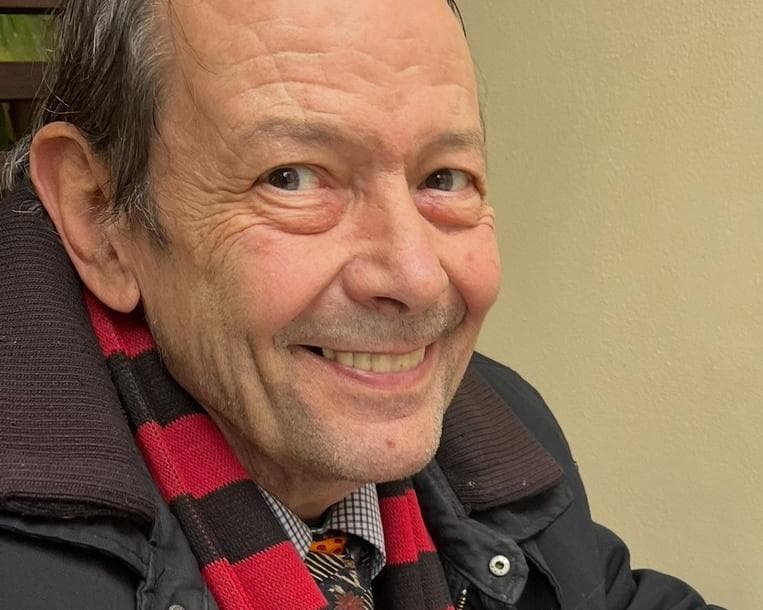
My friend Martin Collins, who has died aged 75 from complications brought on by dementia, was a human rights activist and political organiser with a particular focus on Ireland.
Around 1994 he began working in parliament for Kevin McNamara MP, organising the Agreed Ireland Forum, which sought support for the Good Friday agreement across the parties in Westminster.
Among his papers is a handwritten note from the Northern Ireland secretary at the time, Mo Mowlam: “I know […] that you are working to build a broader base for the friends of GFA – Good luck with that and with all you are doing to underline the importance of bipartisanship toward N Ireland at Westminster. Keep up the good work and thanks again, love Mo.”
Born in Bristol, Martin was the son of Robert, who worked for British Aerospace, and Margaret (nee Feasey). He went to Bristol grammar school, where he did not thrive, but after resitting his A-levels went to the University of East Anglia to study politics, sociology and philosophy.
Martin joined the Labour party in the late 1970s, although he had already been politically active in the International Marxist Group, CND, trade unions and the Troops Out Movement while doing various factory jobs. But it was the hunger strikes in Northern Ireland of the early 80s that really focused his attention.
He co-organised the Labour Committee on Ireland in 1982, editing the magazine Labour and Ireland. In 1985 he edited the book Ireland After Britain with contributions from, among others, Gerry Adams, Mary Robinson and Tony Benn.
And in 1987 he became the campaign director of the Time to Go! movement, which led into his work on miscarriages of justice, including working on the case of the Guildford Four with Gareth Peirce. By the 90s he was director at the Britain and Ireland Human Rights Project, and launched a human rights journal, Rapporteur.
The landmark Good Friday agreement was achieved in 1998. As the millennium turned, Martin became a director for the Irish Traveller Movement and later worked for Chris Ruane MP in his role as chair of the all-party parliamentary group on the Irish in Britain. He also became involved in the campaign for justice over British army deaths in barracks such as Deepcut, eventually helping around 40 bereaved families in their fight for truth.
Around this time he met Ginnie Lawlor from the Irish Youth Foundation, and they settled into life together in Ginnie’s house in Hampstead, north London.
I first met Martin in the mid-80s as a friend of my wife. He was an inspirational, relentless, intelligent, entertaining and loyal friend and comrade.
Ginnie and his brother Simon survive him.