Loading...
Please wait for a bit
Please wait for a bit
Click any word to translate
You editorial (The Guardian view on French cinema’s De Gaulle moment: present anxieties inform a new focus on the past, 5 August) informs us that some new French films covering the second world war are coming soon. Its focus suggested that most of these films will be of a “great men of history” kind. Whatever dilemmas faced leaders in this period, it was the grandparents and great-grandparents of the majority of cinemagoers who faced life-or-death choices and, in some cases, held the lives of their neighbours in their hands.
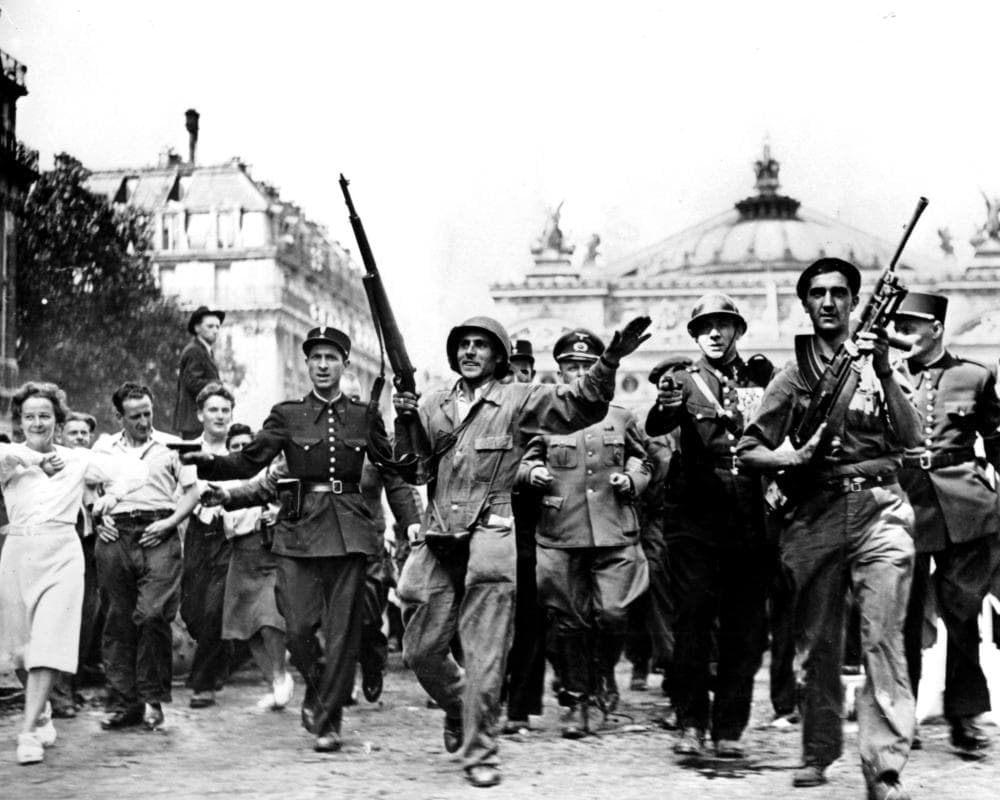
From my research about members of my family and the areas where they were living, I’ve found local policemen arresting Jewish men and women (like my father’s uncles and aunt) and handing them over to the Nazis. These gendarmes were under the command of local administrators who were “honoured” to do the bidding of Nazi commandants. But then, if you scan the Resistance memorials (often in isolated rural places), you gather that some of the names on those memorials are of Jewish and, in one example I know of, a black member of the Resistance.
Even as the occupiers were facing defeat, Nazi generals were under instructions to massacre partisans, and some young French men joined the armed Milice, who worked with these occupiers to betray the Resistance. Sometimes, immediately after the war, reprisals against the Milice involved summary executions, while the local administrators who did the Nazis’ bidding may have been tried, found guilty and imprisoned but, soon after, walked free under state-ordered amnesties.
This is a complex picture of grassroots, local choices, some being made in support of an illegitimate occupation, part of a Europe-wide genocide and rule by terror, and other choices being made to defy this.
Michael Rosen
London
• French cinemagoers will be thinking about the threats to French democracy posed by the extreme right, but their interest in Charles de Gaulle runs much deeper. He symbolises resistance to all the forces outside the Hexagone which threaten its autonomy and identity.
To an extent inconceivable in the UK, the French have striven, since the second world war, to maintain freedom from outside interference – in the military sphere (weapons procurement and the nuclear deterrent), in the economic sphere (space exploration, Airbus, automobiles), in the cultural sphere (Paris and Notre Dame).
This urge underlies the desire to maintain and defend the French language, a symbol of internal cohesion within French society and external distinction from the hostile world outside. None of these questions seem to concern people in the UK, but they should.
Anthony Lodge
Carnbee, Fife
• Have an opinion on anything you’ve read in the Guardian today? Please email us your letter and it will be considered for publication in our letters section.