Loading...
Please wait for a bit
Please wait for a bit
Click any word to translate
Original article by Compiled by Richard Nelsson
From our own correspondent
3 April 1926
English holidaymakers are pouring into Paris. Twenty thousand are said by the railway authorities to have crossed the Channel yesterday, and many more will no doubt arrive to-day. There must be as many visitors from other countries, among which Germany is strongly represented. They find Paris looking her best in ideal spring weather. Both yesterday and to-day the sun has shone incessantly, and the weather prophets predict that the present conditions will last.
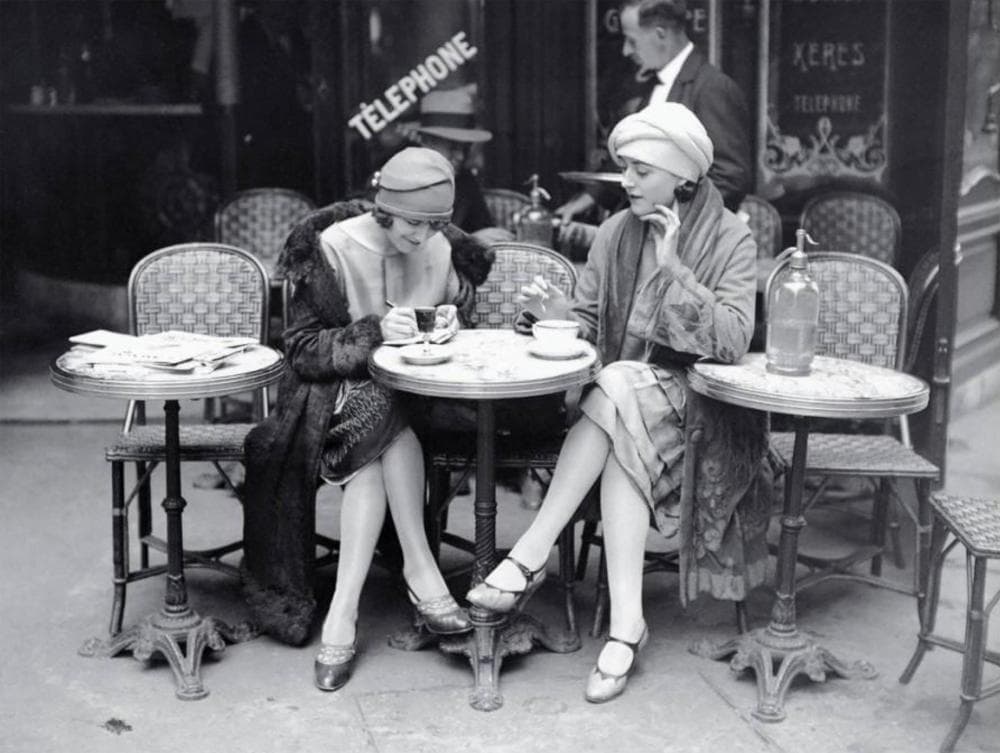
There is every sign of spring. The cafes have taken out their windows, the trees are green, the chestnuts are budding, and the Tuileries are gay with tulips.
People unwise enough to arrive without having engaged rooms in advance are likely to have the opportunity of seeing Paris pretty thoroughly while they search for quarters. The proprietor of a small hotel in a quarter off the beaten track for tourists told me to-day he had had enough applications for rooms during the last few days to fill the hotel for two months if spread over that period. Every Easter there is said to be a record influx of visitors, but appearances suggest that it is really the case this year.
Paris is at present the cheapest capital in Europe, especially for tourists, since everything they look for is particularly cheap, except rooms, the prices of which are naturally raised for the occasion. They will find compensation, however, in restaurants, theatres, music-halls, and other amusements at about half London prices, and they will not, like Parisians, complain that the taxi fares of threepence a mile are doubled at night.
By Philip Carr
6 April 1926
There are four kinds of foreign playgoers in Paris. There are those who go straight for the Folies-Bergère, and, if they are very adventurous, follow up that visit by trying the Moulin Rouge music hall and the Casino de Paris. They frankly do not expect to understand a word, but intend to make up for that in dances and dresses – as little as possible – and girls, with an occasional comedian who can make you laugh by what he does, not what he says. They will find all the well known palaces of delight equipped for the holiday rush, with Mistinguett at the Moulin Rouge, the Dolly Sisters at the Casino de Paris, and no star at all at the Folies-Bergère, which does not need such attractions. They can also be alternately shocked and horrified at the Grand Guignol, for tradition demands that they shall forsake music halls for one evening to include a visit to the tiny theatre that was such a goldmine to Max Maurey before he took the Varietes.
Then there are the earnest people who go every night to the Comédie Française, with an occasional visit to the Odeon, that large and dreary mausoleum where the reputations of so many artistic managers lie buried. If it gives you any pleasure to see translations of English plays in Paris you can find one of The Devil’s Disciple, which has just been produced with moderate success at the Odeon, just as you can also see Mme Pitoeff in Saint Joan at the Theatre des Arts.
Continue reading.