Loading...
Please wait for a bit
Please wait for a bit
Click any word to translate
Original article by Alex Vines
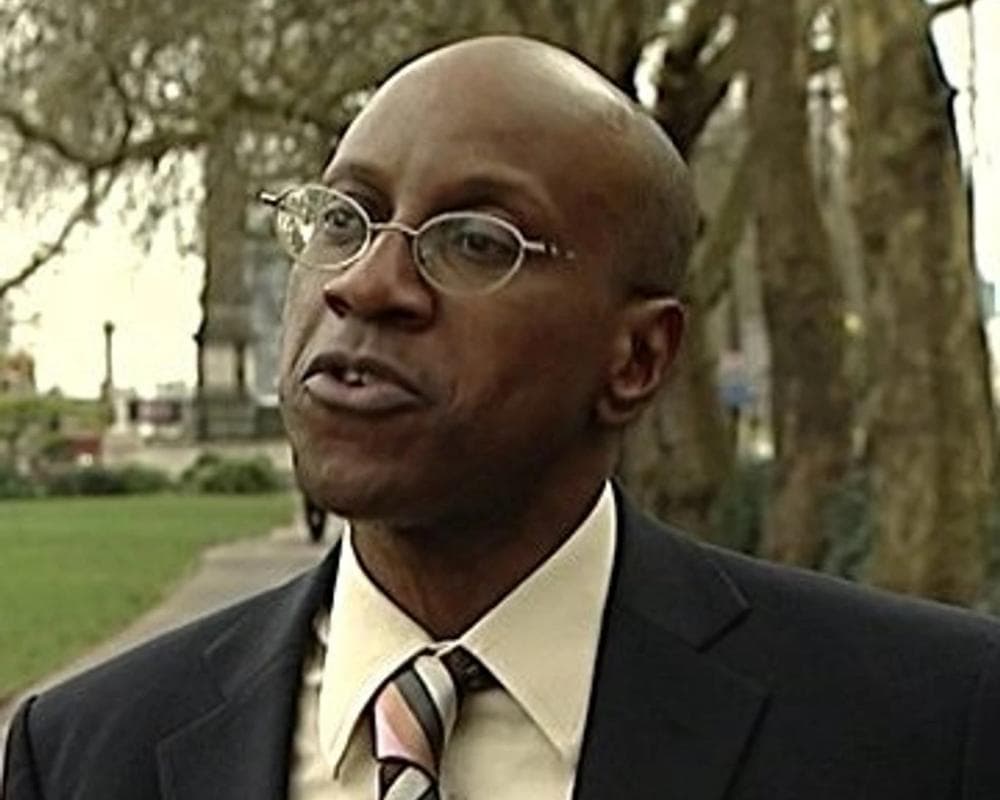
My friend and former colleague Knox Chitiyo, who has died aged 65 of bowel cancer, was a Zimbabwean academic and later an important voice in Britain on his homeland and its future. He was regularly consulted by diplomats, business people, journalists, academics and activists.
From 1992 to 2003 he was a senior lecturer in war studies and military history at the University of Zimbabwe, where he co-founded the Centre for Defence Studies, serving as its deputy director. He also taught on the joint command and staff course at Zimbabwe’s National Army Staff College and at the Gweru Military Academy, helping shape the strategic thinking of a generation of officers.
As intellectual space in Zimbabwe tightened under Robert Mugabe, Knox moved to the UK in 2005. He joined the Royal United Services Institute, eventually becoming head of its Africa programme (2007-11), and developed an international reputation for his work on Zimbabwe, defence and security. In 2012 he became an associate fellow at Chatham House – a position he retained until his death.
Knox was born in Salisbury (now Harare) in Southern Rhodesia, then part of the Federation of Rhodesia and Nyasaland, to Wynona (nee Chieza), a nurse, and McLeod Chitiyo, a pathologist.
Growing up through the turbulent final decades of white minority rule in Southern Rhodesia, he attended a private, racially mixed secondary school, St George’s, which was run by Jesuits in Salisbury, an unusual experience that shaped his interest in race, identity and political change.
After school he gained a general degree at the University of Zimbabwe, where he then built his academic career, completing a PhD and lecturing in history and war studies before simultaneously becoming deputy director of the university’s Centre for Defence Studies from 1995 and then leaving for Britain a decade later.
Knox was particularly passionate about ensuring that Zimbabweans in the diaspora had a voice in policy debate in the UK. Beyond his role at Chatham House, he was president of the Britain Zimbabwe Society and served on the board of the Business Council for Africa, including as acting chair.
He was also a fellow of the Brenthurst Foundation, an thinktank on African economics and politics, and became a trustee of the Mines Advisory Group, a charity devoted to finding and destroying landmines in places affected by conflict. He brought warmth, humour and humanity to serious subjects, and moved easily between academics, soldiers, diplomats and politicians without losing either his independence or his kindness.
In his spare time he wrote poetry and short stories and played the saxophone, including, he once told me, at Ronnie Scott’s in London.
Knox is survived by his wife, Nhamburiko, a midwife, whom he married in 2002, a son, Kyle, from his first marriage, to Nhmabu, which ended in divorce, and his sister Cathy.