Collecting memories and stories of feminists | Letters
Click any word to translate
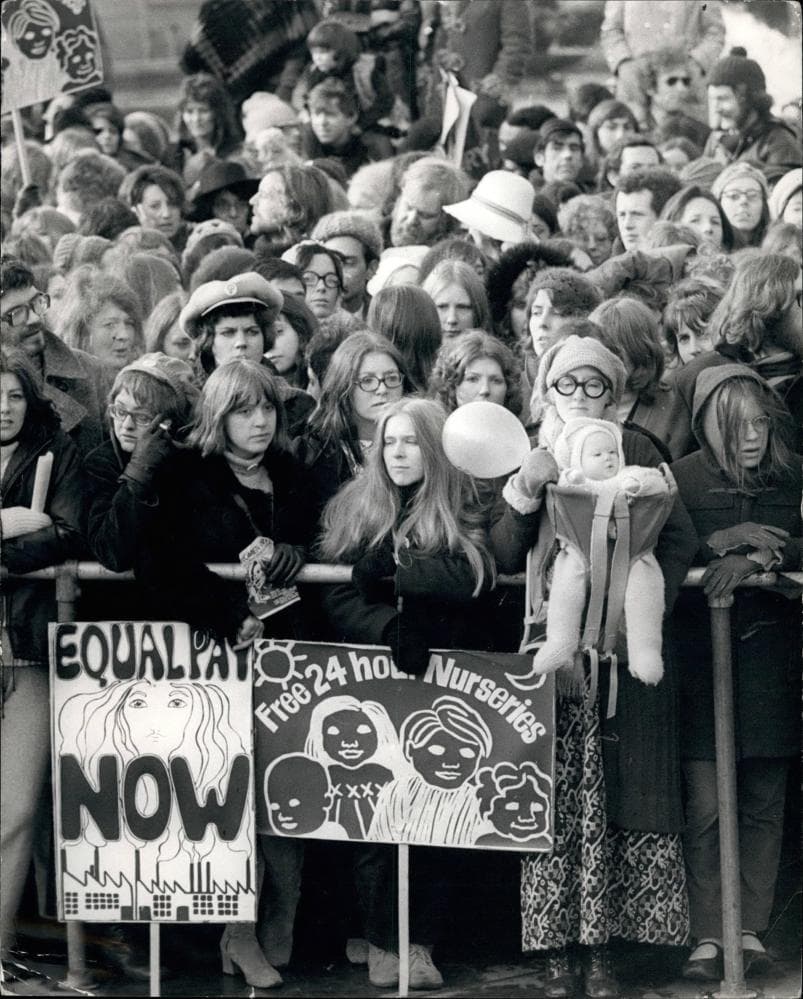
We write as “members” of the women’s liberation movement (WLM) since the earliest days in London in the late 1960s, and we read Susanna Rustin’s long read with interest and appreciation (‘Pretty birds and silly moos’: the women behind the Sex Discrimination Act, 18 December). We were drawn to the liberation politics of the new WLM (no membership forms available or needed).
Rustin refers briefly to WLM statements and conference resolutions in a way that might lead younger people to imagine a more formal organising force than ever existed. The WLM was a movement, not an organisation or a party. The national women’s liberation conferences that happened in those years often functioned as national “consciousness-raising” exercises. The most important “votes” were often about adding demands to our growing list, sometimes after long and volatile debates and discussions of emerging issues.
Rustin is so right that the struggles (we all spoke of struggles) taking place both around the law and equal rights, and among the women who considered themselves more radical, are fading from living memories via lived experiences. For an inclusive history’s sake, it’s time to record as many of those voices, including grassroots ones, before it’s too late.
We belong to a small, voluntary group of old feminists aiming to do just that. We call our group Howl (History of Women’s Liberation). We’re now online and have some wonderful, varied stories, fabulous photos and illustrations, and a significant amount of resource material. We want more!
Sue O’Sullivan and Miriam David
Members, History of Women’s Liberation organising group
• Having read the long read on the background to the Sex Discrimination Act, I was astounded that there was no mention of the wartime Air Transport Auxiliary (ATA) led by Pauline Gower, who pioneered sex equality in the workplace in the ATA, equal pay for male and female pilots, and equality of opportunity based on merit.
To the female pilots who joined the ATA this was astounding, given the sex discrimination and misogyny that they were subjected to in their prewar flying careers. These women are the subject of an excellent book by Becky Aikman that I have just finished reading: Spitfires – The American Women Who Flew In The Face Of Danger During World War II, which tellingly recounts how their experiences in the ATA opened their eyes to the need for sex discrimination to be eliminated in the US.
They aspired to serve on the frontline, but this was prohibited by the ATA and United States Army Air Forces (USAAF) as they were not part of the armed forces. They looked to the postwar world in the US for their flying futures in civil airlines, but this aspiration was stifled by the unchanging sex discrimination, coupled with a large cadre of demobbed male USAAF pilots seeking civilian careers.
Unfortunately, much the same was true here in the UK. Sadly, Gower died in 1947, aged only 36. One wonders what might have been had she lived longer and been able to continue promoting workplace equality for women and the banning of sex discrimination.
Paul F Faupel
Somersham, Cambridgeshire
• Have an opinion on anything you’ve read in the Guardian today? Please email us your letter and it will be considered for publication in our letters section.