Loading...
Please wait for a bit
Please wait for a bit
Click any word to translate
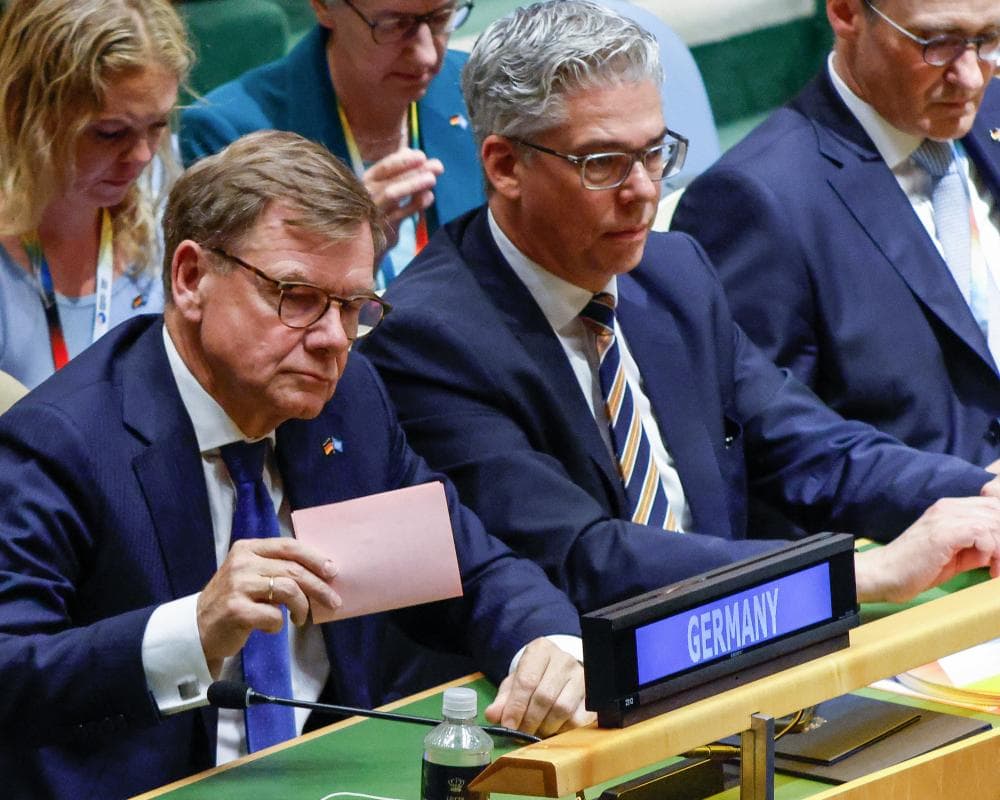
Germany has failed, for the first time, in its bid for a non-permanent seat on the United Nations security council (‘Embarrassing’: pressure on Merz after Germany’s failure to win UN security council seat, 4 June). In New York, the federal republic was defeated by Austria and Portugal – and by a clear margin.
Did the countries that withheld their votes from Germany pause for even a moment to consider the consequences? Did they ask themselves whether it was wise to subject the second‑largest contributor to the UN – responsible for 5.27% of all state contributions – to such a public rebuff? Evidently not. Otherwise Germany would hardly have been so demonstratively humiliated.
This raises an obvious question: why should Germany not now subject its payments to the UN system to a very thorough review? At home, Germans are being asked to accept welfare cuts, higher taxes and gaping holes in the federal budget. Internationally, however, Germany continues to transfer billions year after year. After such an open snub, that is becoming increasingly difficult to justify. If the UN apparently has no need of Germany’s voice or influence, it may have no need of its money on this scale either.
Austria and Portugal, now evidently the international community’s preferred choices, might therefore wish to increase their contributions to the UN system accordingly. Austria currently contributes 0.57%; Portugal just 0.3%. Then we shall see whether their enthusiasm lasts – or whether the celebrations are followed rather swiftly by a rude awakening.
Michael Pfeiffer
Neuhausen auf den Fildern, Germany
• Have an opinion on anything you’ve read in the Guardian today? Please email us your letter and it will be considered for publication in our letters section.