Loading...
Please wait for a bit
Please wait for a bit
Click any word to translate
Original article by Jonathan Yerushalmy
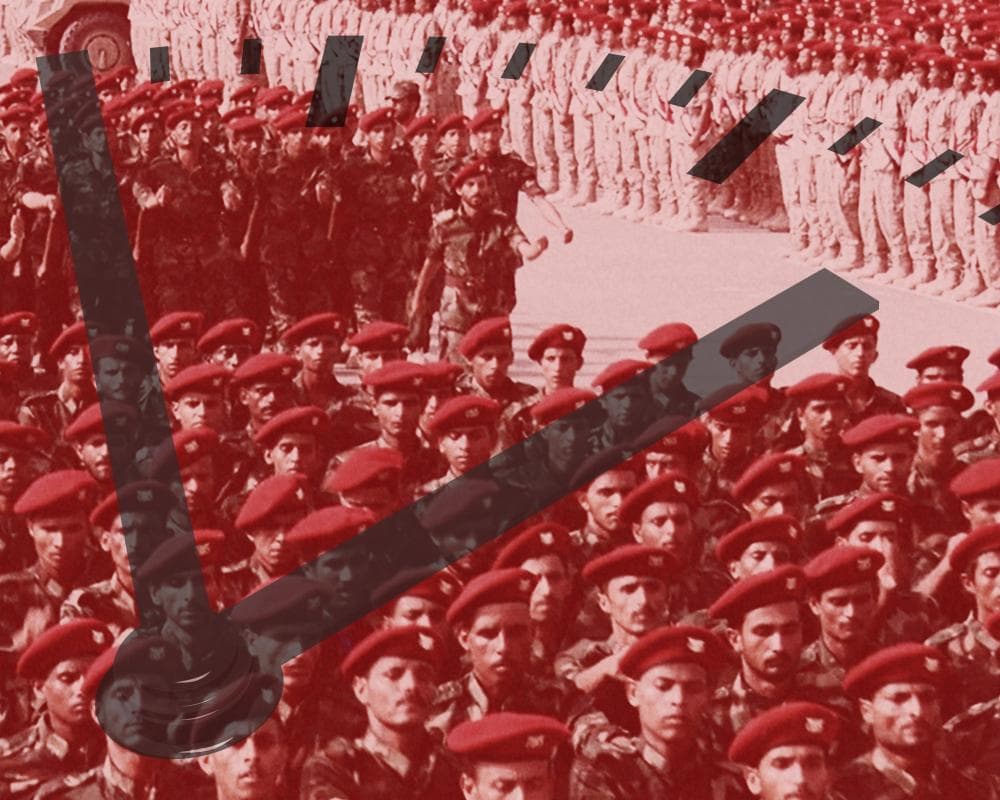
The Houthis are a militant group that emerged from a years-long civil war in Yemen as the country’s most powerful political force, able to disrupt international trade thanks to their proximity to a key shipping corridor at the entrance of the Red Sea.
The group, which has an estimated 20,000 fighters, represents the Zaidi branch of Shia Islam. The Houthis first began gaining mass support around the turn of the century from Shia Yemenis fed up with corruption and authoritarian leaders.
The Houthis captured the Yemeni capital, Sana’a, in 2014 and a year later overthrew the western-backed president, Abd-Rabbu Mansour Hadi. Hadi was forced to flee, but his allies in Saudi Arabia and the UAE launched a military campaign, also backed by the west, to drive out the Houthis.
The ensuing civil war led to an estimated 377,000 deaths and displaced 4 million people by the end of 2021. The UN brokered a 2022 truce between the warring sides in Yemen that has largely held.
As a part of Iran’s “axis of resistance”, the Houthis began targeting international shipping in the Red Sea after the 7 October 2023 attack on Israel by Hamas, which triggered the Israeli military campaign in Gaza. The Houthis’ campaign in the Red Sea – a major thoroughfare for world trade – brought chaos to global supply chains.
The Houthis ceased their attacks after a US-brokered ceasefire between Israel and Hamas in October 2025.
While the US says Iran has armed, funded and trained the Houthis, the group denies being an Iranian proxy, but say they share a political affinity. The group was largely silent in the early weeks of the US-Israel war on Iran, but on 28 March fired missiles at Israel, vowing to continue military operations until Israel “ceases its attacks and aggression”.