Loading...
Please wait for a bit
Please wait for a bit
Click any word to translate
Original article by Deepa Parent and William Christou
The family of Erfan Soltani, the first Iranian protester sentenced to death since the current unrest began, have been told his execution has been postponed.
Soltani, a 26-year-old clothing shop employee, was arrested in Karaj, a city north-west of Tehran, last Thursday after participating in protests and was due to be executed on Wednesday, according to rights groups.
Since his arrest, his family had received little news about his condition besides a brief, scheduled visit before his expected execution. On Wednesday, hours after his scheduled execution, prison authorities called them and said the execution had been postponed, without offering further details.
Speaking before the postponement of the execution, Somayeh, a 45-year-old close relative of Soltani’s who lives abroad, said: “I spoke to his [nuclear] family yesterday and all I know is that they were trying to visit him in prison. I haven’t slept in two days.”
Somayeh and other members of the family anxiously stayed up until dawn waiting to hear news, knowing that Iranian authorities typically carry out executions around the morning call to prayers. “I can’t stop thinking about Erfan. The uncertainty is killing me,” Somayeh said through tears. “How can anyone have the heart to put a rope round the neck of such a kind child and send him to die?”
Soltani has become a symbol of defiance for Iranian activists as authorities intensify their crackdown on a nationwide protest movement.
Rights groups say they fear there are many other cases like Soltani’s that are unknown due to an internet blackout in Iran, but that his case highlights the speed at which authorities are sentencing protesters.
Soltani was denied access to a lawyer and legal defence, the Norway-based Hengaw Organization for Human Rights said.
More than 18,000 people have been arrested and at least 2,571 killed over the last two weeks, according to the US-based Human Rights Activists news agency.
Protests started on 28 December after a sudden slide in the value of the country’s currency and have since spread nationwide and expanded to demands for political reforms.
Rights groups have urged Iran to halt the execution of Soltani and other protesters arrested, with Amnesty International expressing fears that Iranian authorities could “once again resort to swift trials and arbitrary executions to crush and deter dissent”.
Rights monitors have said Iran often sentences protesters in trials that last minutes. Soltani was given the death penalty four days after his arrest – a time period that Iranian human rights activists say deprived him of due process.
Iran’s chief justice signalled on Wednesday that trials and executions would be swift, telling state media “we should do it now” to have an effect on protesters. Other judicial officials said protesters would be charged as “enemies of God”, a crime that can be met with the death penalty.
Last year, Iran hanged at least 1,500 people, according to the Norway-based group Iran Human Rights.
Soltani told his family that he had received a call from Iranian intelligence a few hours before his arrest, which he ignored. Despite threats from security services, he continued to join protests.
Somayeh said: “Our Erfan is a kid who is innocent and peacefully wants to exercise his rights. That’s all he did. Joined his compatriots to peacefully protest.”
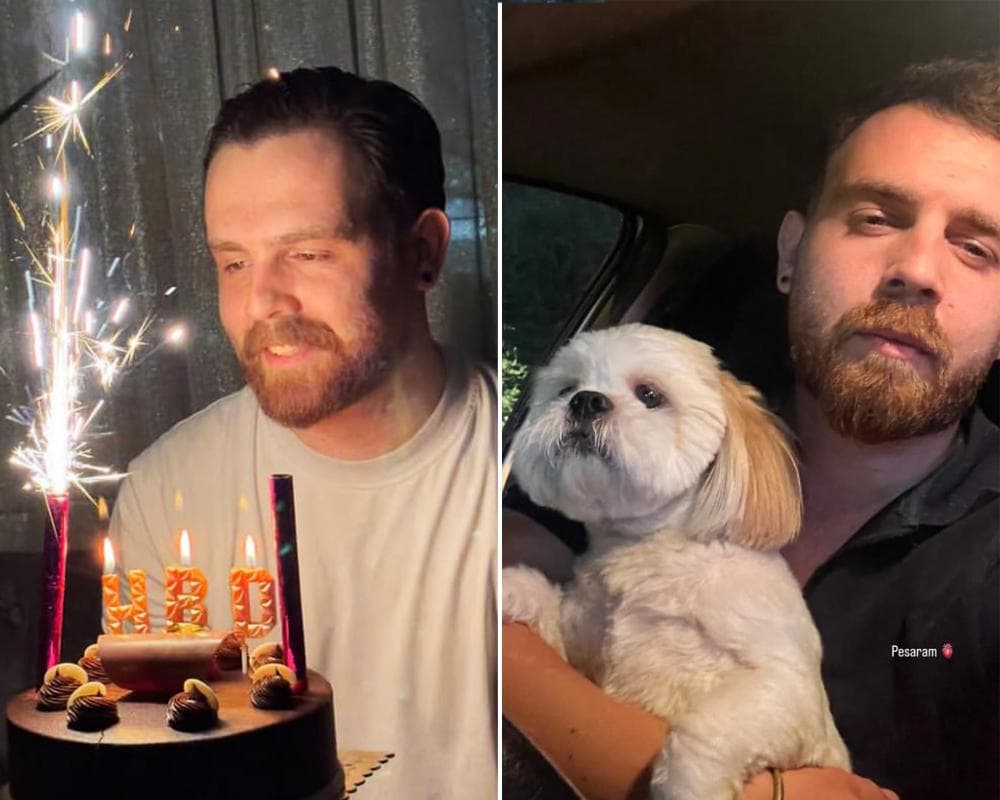
Soltani works in a clothing shop and is passionate about fashion, fitness and Persepolis FC, a Tehran football club. His family described him as “the most loving brother” and his “mother’s best friend”.
Somayeh said: “He is someone so dear to my heart, a brave child, a child who would never resort to violence, an incredibly calm and wonderful soul who means more to me than I can put into words. Please, world, help save our child.”