Loading...
Please wait for a bit
Please wait for a bit
Click any word to translate
Original article by Heather Stewart
The global super-rich may have as much as $3.55tn hidden away from tax authorities, according to estimates by Oxfam.
The charity renewed its call for a wealth levy and urged governments to close tax loopholes as it published its latest analysis of the scale of offshore holdings.
Building on the work of academics including the French economist Gabriel Zucman and the EU Tax Observatory, Oxfam said total wealth held offshore had increased significantly, to $13.25tn (£10tn) in 2023 – the latest year for which estimates were available.
The share of these secretive holdings hidden from tax authorities has fallen sharply since the introduction in 2016 of a new system of automatic information exchange between jurisdictions.
But Oxfam estimates that perhaps $3.55tn is still shielded from tax – worth more than 3% of global GDP. Estimates from previous research suggest 80% of this wealth, or more than $2.84tn, is likely to be owned by the richest 0.1% of households.
That would mean this tiny group hold untaxed assets equivalent to the total wealth of the poorest half of the global population.
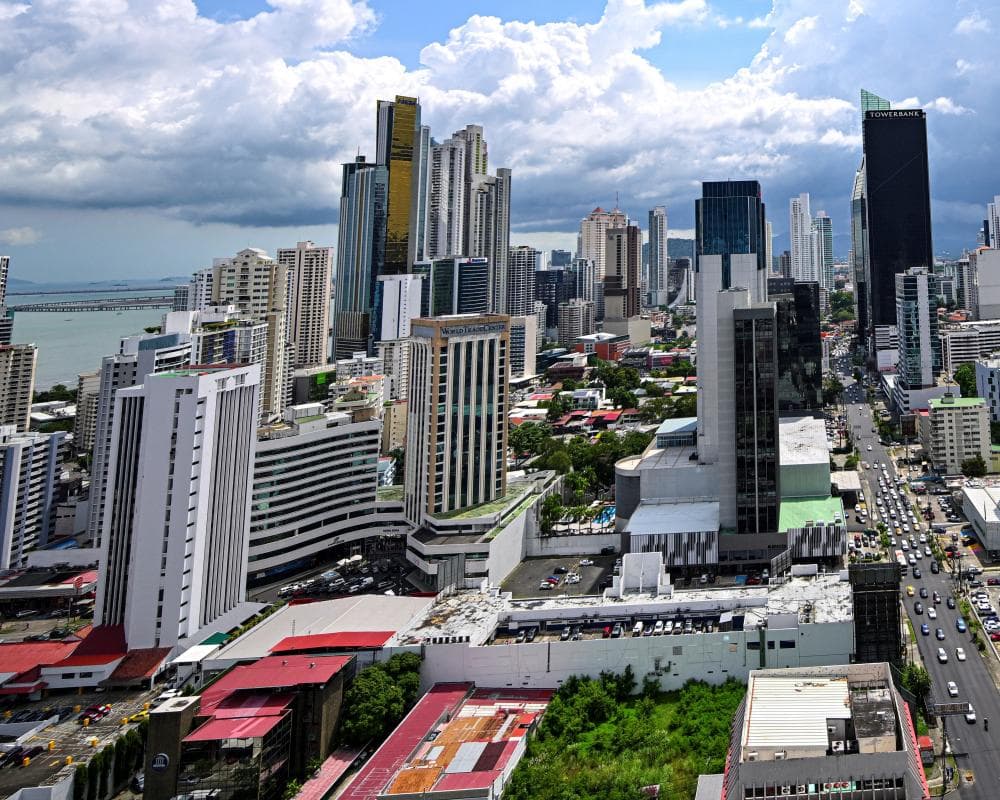
The research was released to mark 10 years from the publication of the Panama Papers, an investigation which exposed the inner workings of tax havens.
Christian Hallum, Oxfam’s lead on tax, said: “This isn’t just about clever accounting – it’s about power and impunity. When millionaires and billionaires stash trillions of dollars in offshore tax havens, they place themselves above the obligations that bind the rest of society.”
Oxfam is part of a global campaign to mobilise calls for a global progressive wealth tax, including through negotiations at the UN on a framework for tax cooperation. It also called for countries in the global south to be included in the Common Reporting Standard – the system that allows for information exchange between jurisdictions.
The UK-based charity is calling on Labour to implement a wealth tax. The chancellor, Rachel Reeves, has already increased taxes on wealth, by raising the rate of capital gains tax, levied when assets are sold, and announcing a new council tax surcharge for properties worth more than £2m.
She also extended reforms announced by her Conservative predecessor, Jeremy Hunt, and scrapped the “non dom” regime that allowed some foreign-born residents to avoid paying tax in the UK.
But Oxfam would like the chancellor to go further – as would the Green leader in England and Wales, Zack Polanski, who has said a wealth tax would be a “day one priority” for his party in government.
Polanksi has said such a tax would be levied annually at a rate of 1% on assets worth more than £10m, including property, and 2% above £100m. The Green party claims this policy would raise about £15bn a year.
However, the Institute for Fiscal Studies thinktank has argued that it would be better to prioritise reform of existing taxes on wealth, including council tax and capital gains.
The House of Commons public accounts committee has criticised HM Revenue and Customs for not even knowing how many billionaires there are in the country.