Loading...
Please wait for a bit
Please wait for a bit
Click any word to translate
Original article by Chris Osuh Community affairs correspondent
The Church of England is facing a legal challenge over Project Spire, its £100m plan to further reparative justice for historical links to enslavement, as staff come under “vile abuse” from critics.
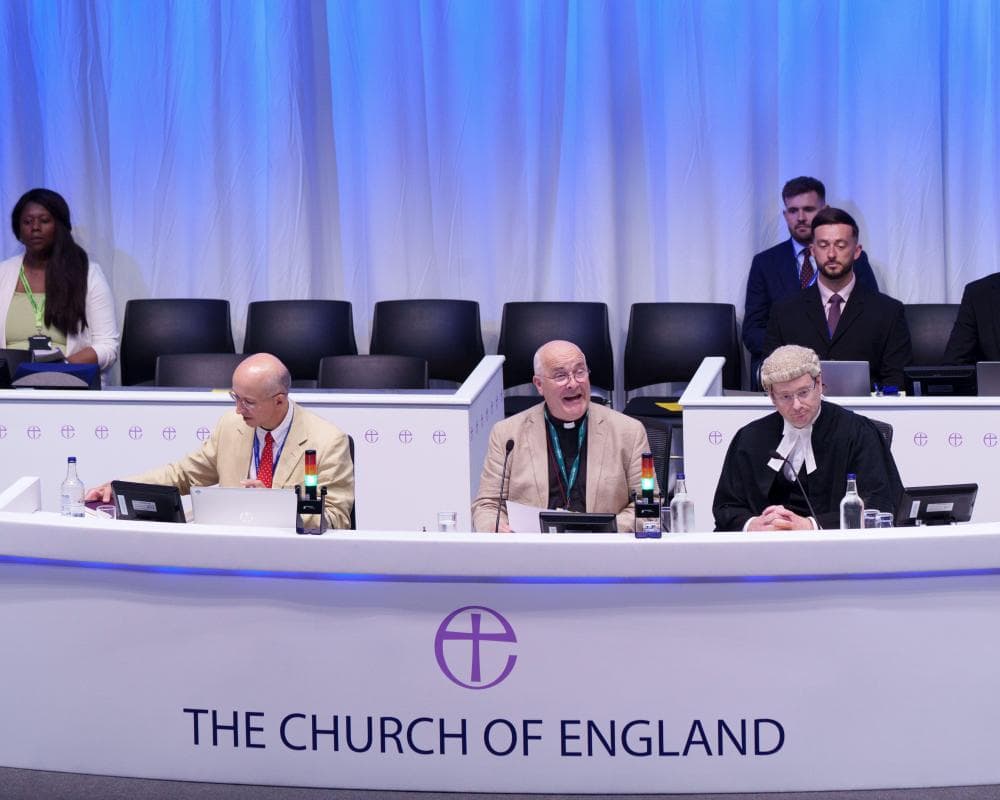
At the General Synod in York over the weekend, Stephen Cottrell, the archbishop of York, defended the project as a “work of healing, justice and repair”.
Daniel Matovu, a barrister who represents the diocese of Oxford at the synod, told this month’s sessions the church had not only profited from the slave trade but “supported, defended and participated in” it.
Project Spire was set up in 2023, after research into a church endowment fund dating back to 1704.
It emerged that the fund, called Queen Anne’s Bounty, had invested in the South Sea Company, which is known to have transported more than 34,000 enslaved people across the Atlantic. The fund also received donations from individuals such as Edward Colston, a senior figure in the enslaving enterprise the Royal African Company.
Subsequently, the Church Commissioners, the body that manages church assets, made a £100m funding commitment – which, it is expected, would develop an “impact investment fund”. That could involve backing startups in descendant communities for social and environmental goals as well as a financial return.
However, Spire has faced criticism from the rightwing thinktank Policy Exchange and Tory politicians, including Katie Lam, as well as C of E members who say the project is “historically uninformed” and the church should be using the money elsewhere.
Describing critics as “doubting Thomases”, Matovu said it was “thought the church generated roughly £5m per year in today’s money from directly running sugar plantations in Barbados between 1710 and 1838, which would have amounted to £640m in total”. He asked Graham Usher, the bishop of Norwich, whether he agreed that Project Spire was “but a pittance, a drop in the ocean”.
The Anglican missionary organisation USPG, formerly known as the Society for the Propagation of the Gospel in Foreign Parts, set up a £7m reparative justice project in 2024 after apologising for owning two plantations in Barbados where thousands of people were enslaved.
Responding to Matovu, Usher said: “No amount of money can ever repay what happened to the people who were enslaved … I’ve stood in the dungeons of Cape Coast Castle, standing on the excrement and the blood and the sweat encased in the floor, and the hardships people faced on plantations … This is a start.”
Usher confirmed Spire was facing a legal challenge and said Church Commissioners needed to take “full legal advice” to discuss it.
The Rev Rachel Webbley, a vicar from the diocese Canterbury, said many people were glad Spire had not been abandoned. She asked Usher whether it could have been revealed where “the legal challenge against this careful and important work” had come from and if there were any links to “those who have sent hostile communications”.
Usher said it was not possible to release further details at this time. “I would also encourage you to pray for the staff of the Church Commissioners, who … have had to put up with some of the most vile abuse and correspondence,” he added.
The bishop of Norwich said that because Queen Anne’s Bounty “invested in transatlantic African chattel enslavement … we have a responsibility for that history, because that trade was so abhorrent – not only at the time but in the legacies that continue to disadvantage people today.”